“Slurry Coats I, II, III” appears on our asphalt services list. Here's what those numbers mean.
What a slurry seal is
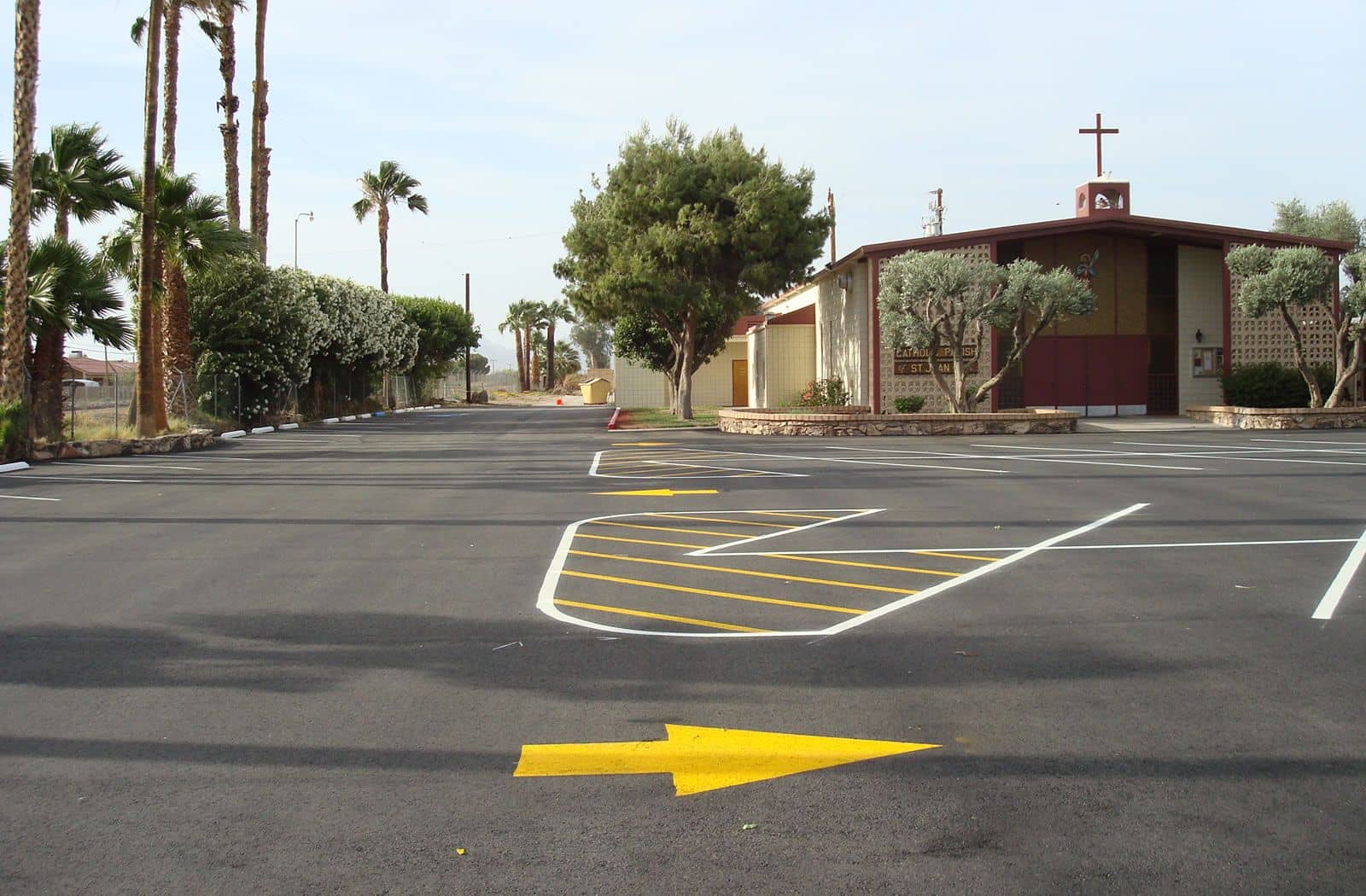
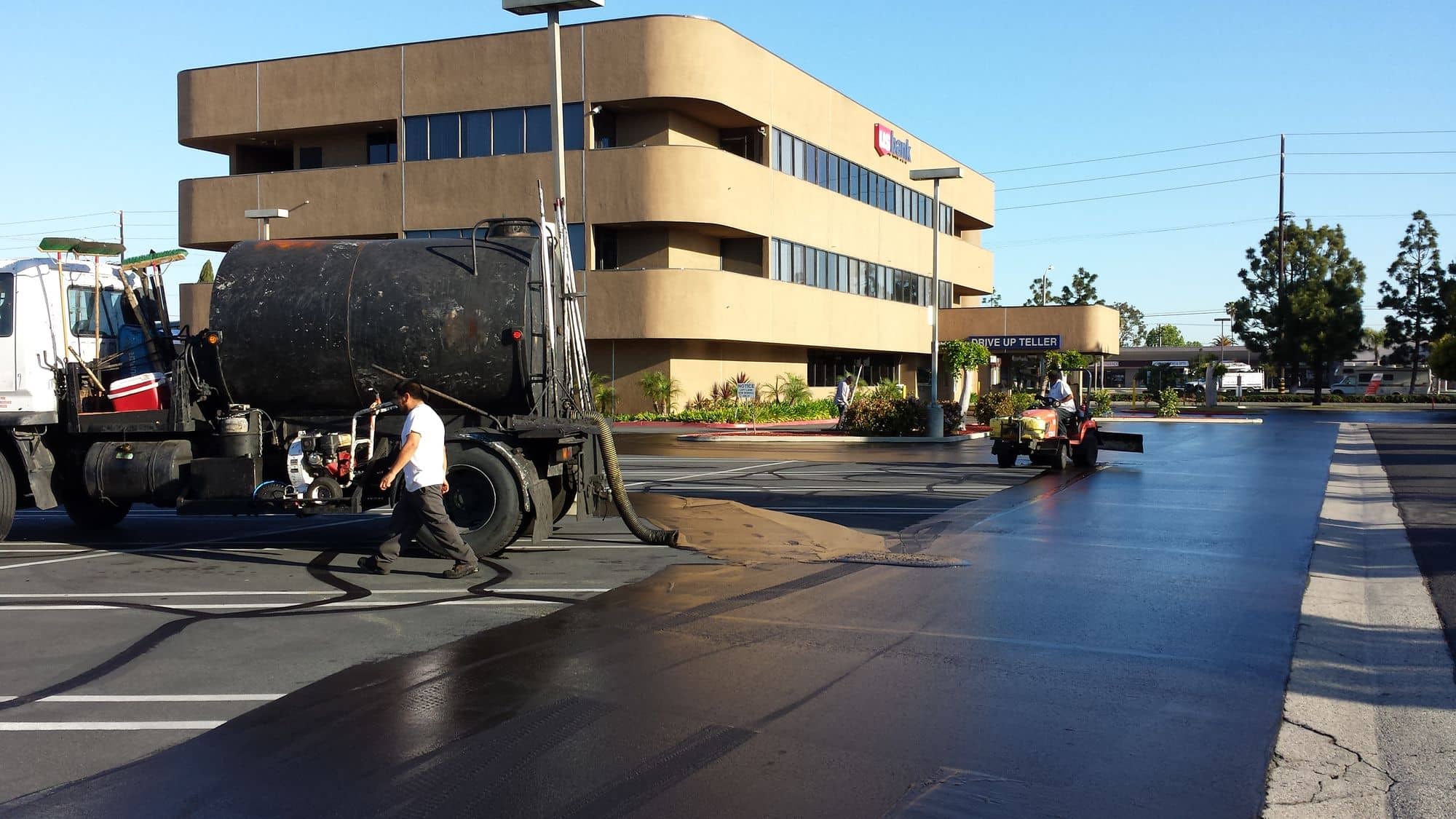
Pavement Interactive defines a slurry seal as “a homogenous mixture of emulsified asphalt, water, well-graded fine aggregate and mineral filler,” applied as a creamy, fluid-like material. Because it contains aggregate, a slurry can fill cracks and voids, seal the surface against weather, and add texture in a single pass, which a coating without aggregate can't do.
The three types
The International Slurry Surfacing Association (ISSA) defines three standard aggregate gradations, Type I, Type II and Type III, which run from finest to coarsest.
| Type | Aggregate | Typical use |
|---|---|---|
| Type I | Finest; most particles pass the No. 8 (2.36 mm) sieve | Fills small surface cracks and provides a thin covering; generally limited to low-traffic areas |
| Type II | General; maximum aggregate size about 6.4 mm (¼ in) | Moderate to severe raveling from aging, and improved skid resistance; the most common type |
| Type III | Coarsest | More severe surface defects; can fill slight depressions to reduce water ponding |
What slurry is for
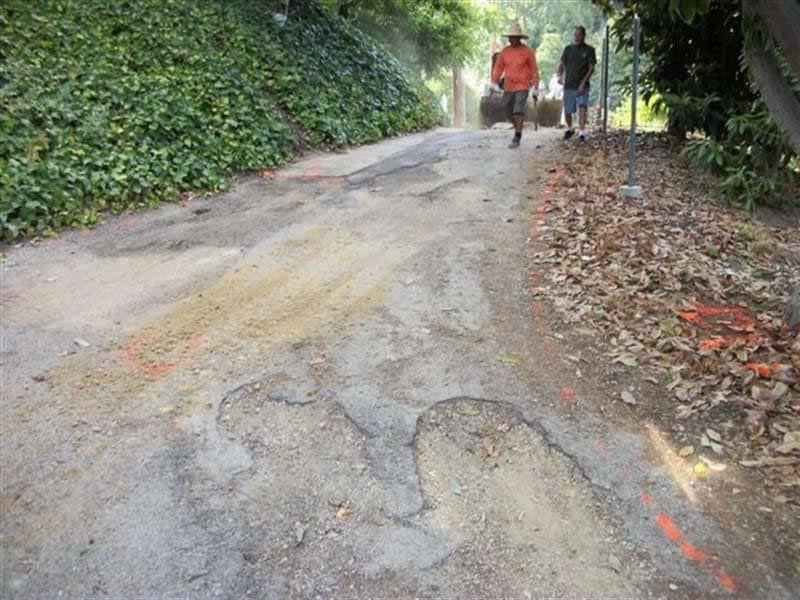
Slurry seals are preventive maintenance, meant to repair slight to moderate surface defects and improve skid resistance. They are not a structural fix. Pavement with base failure, deep fatigue cracking or potholes needs repair first, through patching, remove-and-replace or an overlay.
Sources
- Slurry Seals, Pavement Interactive
- A105 Recommended Performance Guideline for Emulsified Asphalt Slurry Seal, International Slurry Surfacing Association (via Montana DOT)